Consulting Highly Rated Lawrenceville Water Line Repair
All You Should Know About Water Line Repair and Related Services
Water line repair is an essential aspect of maintaining a consistent water supply. Different symptoms may indicate problems, including unexpected spikes in water bills or uncommon soggy zones in yards. The repair process includes various approaches and instruments suited to specific problems. Understanding these elements can help property owners make informed decisions. However, what might be the best course of action when faced with a water line issue? Deeper examination exposes vital details.
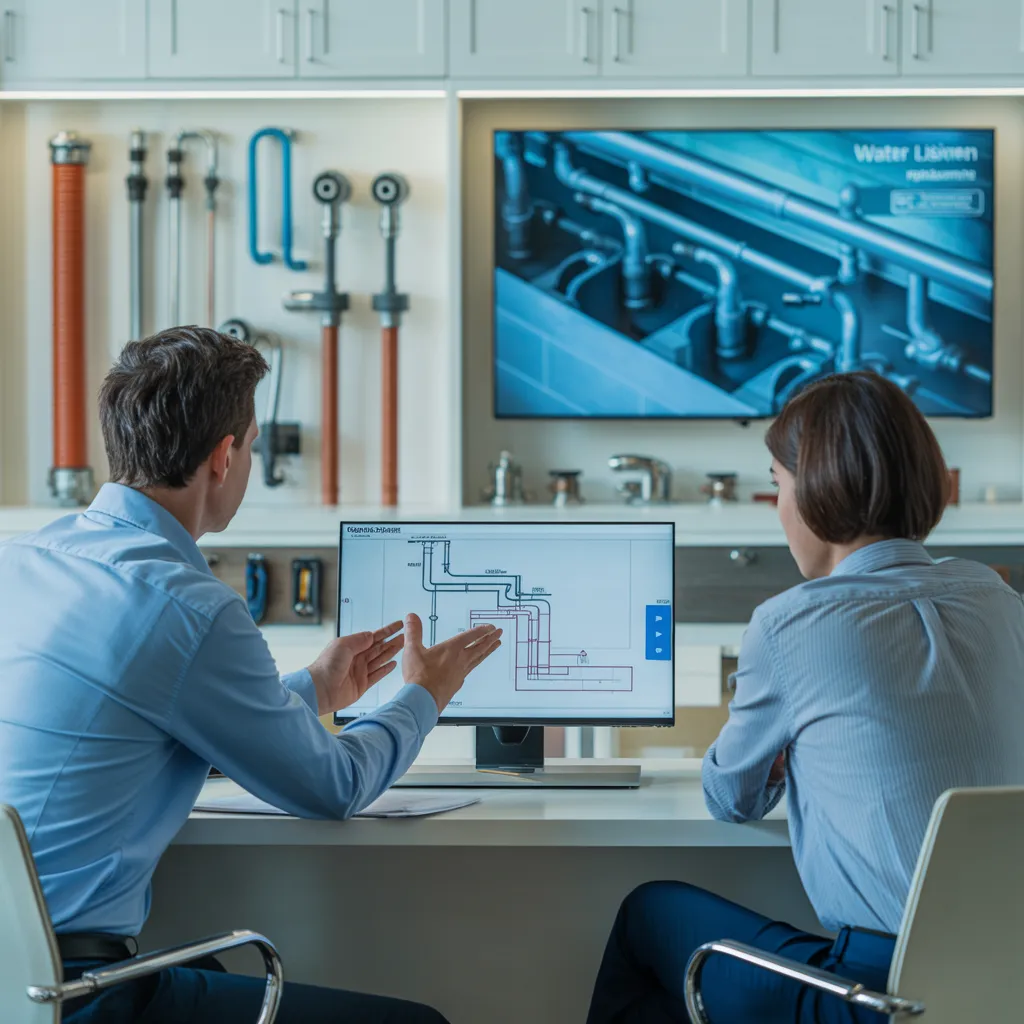
Frequent Symptoms of Water Line Troubles
What methods can homeowners use to detect water line problems? Property owners need to watch for various typical indicators of water line issues. Unusual spikes in water costs typically indicate leaks, while wet areas in the yard or abnormally saturated spots might suggest a break. A sudden drop in water pressure can also indicate an underlying issue. Moreover, tinted or rusty water can signal corroded pipes. Property owners might also observe abnormal sounds, like gurgling or hissing, which can reveal air in the system or other difficulties. Lastly, the appearance of mold or mildew inside the house may indicate concealed leaks, requiring additional examination of the water line's state.
Root Causes of Water Line Breakages
Water line breaks can occur due to various factors that compromise the integrity of underground pipes. Soil shifts, commonly caused by natural ground settling or tremor activity, can create stress on these systems. In addition, worn infrastructure and significant temperature swings heighten the chances of ruptures, making timely repair and maintenance essential.
Ground Movement Influence
Though commonly ignored, soil movement is a major factor leading to water line breaks. Various natural occurrences can cause soil movement, including heavy rainfall, earthquakes, and freeze-thaw cycles. When the soil shifts, it can exert pressure on underground water lines, resulting in cracks or complete breaks. What's more, construction activities can disturb the surrounding soil, elevating the risk of damage to existing water infrastructure. Soil erosion can also compromise the stability of water lines, making them more vulnerable to failure. This movement can create uneven support for the pipes, amplifying the likelihood of leaks and breaks. Understanding these factors is necessary for effective water line maintenance and repair strategies, serving to prevent future disruptions in service.
Aging Infrastructure Issues
As water lines age, the materials employed in their construction can break down, leading to an increased chance of breaks and leaks. Standard materials such as cast iron, copper, and PVC have a finite lifespan, and factors such as corrosion, mineral buildup, and ground shifting add to their degradation. As they deteriorate, pressure fluctuations in the system can worsen existing vulnerabilities, causing ruptures. Additionally, older infrastructures may not have modern protective coatings or adequate maintenance, further elevating the risk of failure. Municipalities frequently face budget constraints that impede timely upgrades or replacements, making aging pipes vulnerable to catastrophic breaks. Consequently, regular inspections are crucial to identify potential issues before they escalate into costly repairs or substantial service disruptions.
Effects of Extreme Temperatures
Extreme temperatures can greatly impact the integrity of water lines, causing an increased risk of breaks and leaks. In cold weather, water inside pipes can freeze, causing expansion that causes cracks or ruptures. When temperatures rise, materials may expand, which can likewise stress joints and connections, potentially leading to failures. Furthermore, fluctuating temperatures can weaken pipe materials over time, making them more prone to environmental pressures. Soil movement, impacted by temperature changes, can further destabilize underground pipes, causing structural issues. Property owners should be aware of these risks, recognizing that extreme temperature shifts can greatly affect water line durability and necessitate timely inspections and maintenance to prevent costly repairs.
The Process of Water Line Repair
Repairing water lines begins with a detailed diagnostic examination to locate the source and severity of the problem. After the issue is identified, multiple repair methods can be utilized to return the system to proper working order. Comprehending these procedures is crucial for successful and durable repairs.
Steps for Diagnostic Evaluation
An extensive diagnostic assessment is essential for effectively dealing with water line problems. This process typically commences with a visual inspection of the property to identify any visible signs of leaks or damage. Following this, specialized equipment, such as acoustic sensors, may be utilized to detect leaks that are not readily apparent. Water pressure tests can also reveal inconsistencies indicating potential problems within the line. After gathering initial data, technicians could conduct soil tests to evaluate the surrounding area for any contributing factors. Once all information is gathered, a detailed analysis is carried out to pinpoint the exact location and cause of the issue. This systematic approach guarantees accurate identification of problems, setting the stage for efficient and effective repair solutions.
Summary of Repair Techniques
Although numerous approaches exist for fixing water lines, the method chosen generally depends on the extent and position of the problem. Typical techniques involve pipe replacement, where affected portions are fully taken out and exchanged with new components. A different approach involves trenchless technology, which limits interference by permitting repairs through compact access locations. Furthermore, epoxy lining may be utilized to cover the inside of pipes, closing leaks and avoiding subsequent problems without major digging. For minor leaks, compression fittings or clamps may suffice, offering quick fixes. Finally, the adopted technique works to recover full function while evaluating cost, productivity, and the prospective consequences on surrounding spaces. Evaluating the specific circumstances helps determine the most effective repair strategy.
Tools and Equipment Utilized for Water Line Repairs
Successful water line repairs rely heavily on a variety of specialized tools and equipment engineered to address diverse aspects of the repair process. Typically helpful resource used tools include pipe wrenches, which help with gripping and turning pipes, and cutting tools for precise pipe section removal. Additionally, pipe fittings and connectors are essential for rejoining segments of pipe. Leak detection equipment, such as acoustic sensors, helps identifying hidden leaks without invasive digging. Additionally, trenchless technology tools, like bursting machines, permit repairs with minimal surface disruption. Safety equipment, including gloves and goggles, is crucial to protect workers during repairs. Combined, these tools support efficient, safe, and successful water line repairs, guaranteeing minimal inconvenience for property owners.
Preventive Measures to Prevent Water Line Problems
Prevention strategies serve a vital function in maintaining the integrity of water lines and avoiding costly repairs. Regular inspections can uncover potential issues such as leaks, corrosion, or blockages before they escalate. Homeowners are encouraged to copyright proper drainage to prevent water accumulation, which can weaken pipes. Additionally, insulating water lines in colder climates can stop freezing and subsequent bursts. Ensuring that trees and large plants are properly distanced from water lines can also mitigate root intrusion, a common issue. Regularly flushing the system helps eliminate sediment buildup that can cause clogs. Finally, using high-quality materials for any repairs or installations provides durability, reducing the likelihood of future problems. Embracing these practices safeguards the water line infrastructure effectively.
24/7 Emergency Services for Water Line Breakdowns
Despite implementing protective actions, water line failures can still arise unexpectedly, necessitating timely emergency services. When a water line ruptures or leaks, prompt attention is critical to stop extensive property damage and water waste. Emergency services generally include swift response teams equipped to assess and fix issues quickly. These professionals use specialized tools to identify the source of the problem and execute temporary fixes while planning for permanent repairs. They also make certain that water supply is safely managed during the repair process. Homeowners encountering sudden water line failures are urged to contact emergency plumbing services as quickly as they can, as rapid action can minimize the impact of such disruptions on day-to-day activities and property integrity.
Picking the Best Plumbing Provider for Repairs
While selecting a plumbing service for repairs, it is crucial to evaluate several key factors that can impact the quality of work and overall experience. Initially, one should assess the plumber's credentials, including licenses and insurance, as these ensure compliance with local regulations and protection against liabilities. Additionally, reading customer reviews and testimonials can provide perspective into the service's reliability and workmanship. It is also beneficial to question the range of services offered, confirming they specialize in water line repairs. Transparency regarding pricing and a detailed estimate are essential in avoiding unexpected costs. Last but not least, response time and availability, particularly for emergencies, should be considered to secure prompt service when needed.
FAQ
How Much Should You Expect to Pay for Water Line Repair?
Water line repair typically costs between $300 and $3,500, determined by factors such as the scope of the damage, labor fees, and location. Property owners should obtain multiple quotes to guarantee a fair price for these services.
Does My Homeowners Insurance Cover Water Line Repairs?
Home insurance may cover water line repairs, depending on the policy terms. Generally, it covers sudden damages though not regular upkeep. Homeowners should check their particular policy or alternatively consult their insurer for detailed coverage information.
How Long Will a Water Line Repair Take?
Water line repairs typically take anywhere from a couple of hours to a complete day, based on the severity of the damage, accessibility of the line, and the exact repair techniques required for the situation.
Can I Handle Water Line Repair Myself?
An individual can indeed repair a water line on their own, as long as they have the required skills and tools. Nevertheless, it's important to consider local regulations and possible complications that could occur during the repair process.
What Are the Dangers of Putting Off Water Line Repairs?
Delaying water line repairs can cause increased water damage, higher repair costs, potential mold growth, and diminished property value. It may also lead to health hazards because of contaminated water and structural issues over time.